Distinctive landscape
Rolling terrain, limestone country, spring-fed creeks, and oak savannas — a regional ecology recognized at first sight and shaped by centuries of land use.

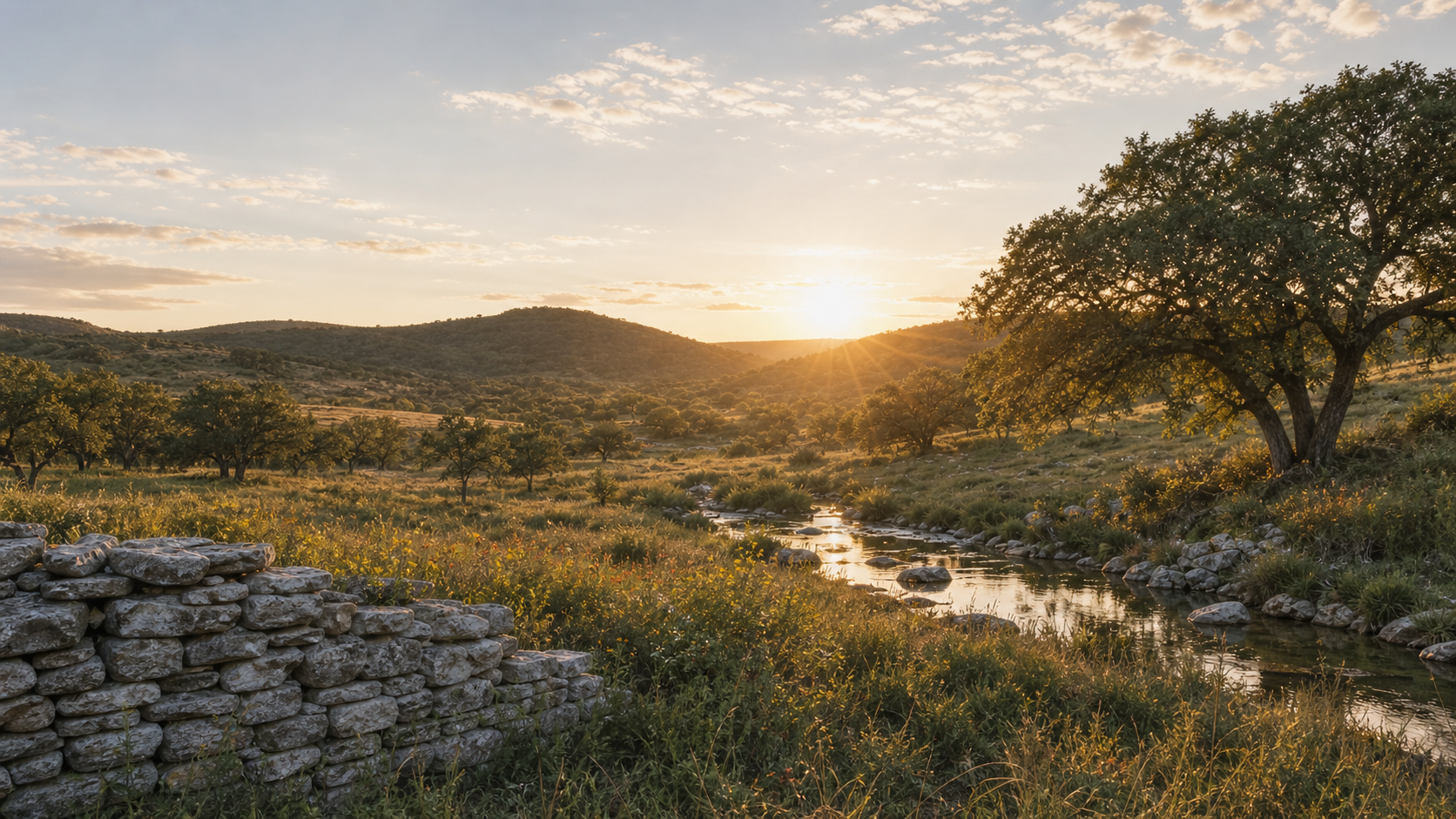
Distinctive landscape · Deep cultural roots · Shared future
Field Atlas No. 02
Hill-Country.org connects residents, businesses, and visitors to the rolling terrain, natural beauty, and cultural heritage that shape the Hill Country — and to the work of preserving the place, supporting its communities, and welcoming people to it well.
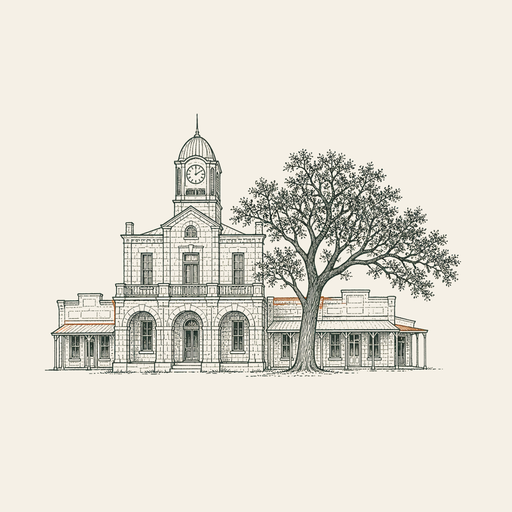
Explore communities with distinct histories, working main streets, and local character.
Explore
From wildflower springs to star-filled winters, arrive with the landscape in mind.
Explore
Find practical ways to care for the land and water that make this region possible.
Explore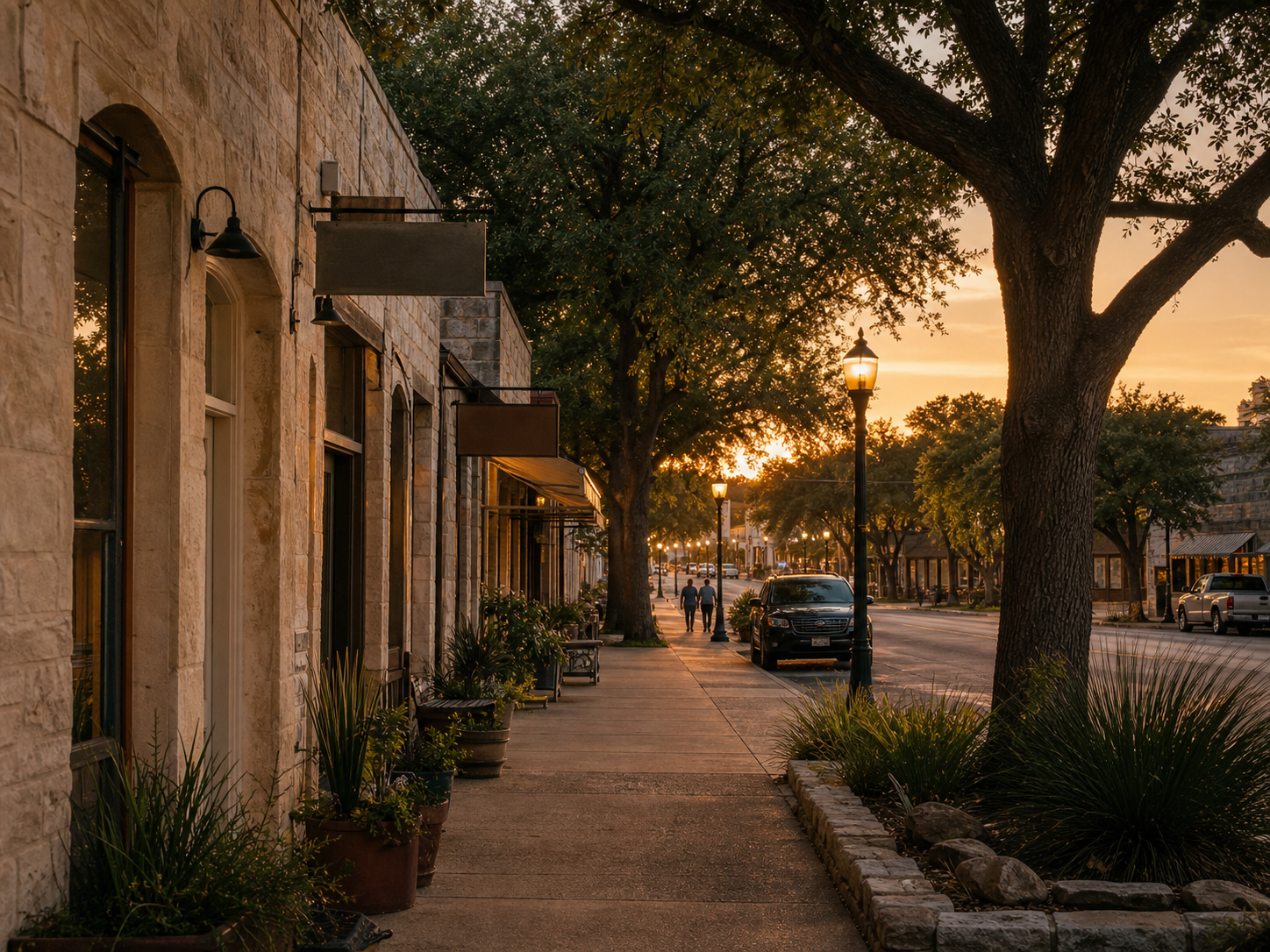
Field story
Courthouse squares, dance halls, working ranches, cafés, shops, and volunteer groups keep the Hill Country recognizable. Growth is real; so is the choice to carry local character forward.
Meet the people shaping the region
The fundamentals
The Hill Country sits at the intersection of landscape, heritage, and working community. These four frames orient residents, businesses, and visitors before going deeper.
Rolling terrain, limestone country, spring-fed creeks, and oak savannas — a regional ecology recognized at first sight and shaped by centuries of land use.
Layered traditions — German, Tejano, ranching, musical, agricultural — woven into towns, food, and craft across the region.
Small towns, family ranches, makers, vintners, and stewards whose work keeps the region recognizable across generations of growth and change.
Land trusts, water boards, civic groups, and visitor partners working to protect the terrain, the watersheds, and the cultural fabric the region depends on.
Ways to engage
There is no single way in. These six entry points cover how residents support the region, how businesses tie into it, how visitors experience it, and how partners help sustain the work.
Start with what the Hill Country actually is — its terrain, its watersheds, its towns — and how its identity differs from the rest of the state.
Plan low-impact visits to the small towns, scenic byways, parks, and working ranches that welcome travelers across the region.
Read the region through the cultural traditions — German, Tejano, ranching, musical — that have shaped Hill Country life for generations.
Wineries, makers, ranchers, restaurants, and inns are part of the region's economic backbone — patronage keeps small-town main streets viable.
Spring-fed creeks, aquifer recharge, oak savannas, and dark skies — the practical work of conservation is what keeps the region recognizable.
Communities use the Hill Country identity in education, civic life, and tourism — a long argument for a region that grows without losing itself.
Why it matters
A regional identity only works when it is grounded in real terrain, real heritage, and real work. The Hill Country earns its place through four overlapping framings — ecological, cultural, civic, and economic.
Rolling limestone terrain, spring-fed creeks, oak savannas, and distinctive watersheds that mark the region on any map.
Layered traditions — German, Tejano, ranching, musical, agricultural — that shape towns, food, and place-based storytelling.
Small-town courthouses, main streets, and community institutions that carry local self-governance and shared memory.
Ranching, viticulture, tourism, hospitality, and craft — the practical, working economy tied directly to the landscape.
Plan your visit
The region is a constellation of small towns, parks, and back roads. Start with one anchor town and let the surrounding country open up from there.
Wildflowers in spring, river days in summer, harvest in fall, quiet stargazing in winter — each season frames the Hill Country differently.
Water, sun protection, sturdy footwear, a real map. Cell coverage thins quickly outside town — plan accordingly and carry good directions.
Eat, stay, and shop with local businesses. Tourism dollars that stay in the region are part of how the region keeps itself.
Leave No Trace on rivers and trails, respect private land, mind dark skies, and consider supporting the stewards who keep the country intact.
Field notes


Network links
Get involved
Whether you live in the region, run a business here, or are planning your first visit, the Hill Country is an entry point. Reach out to learn about visiting respectfully, supporting local stewardship, or contributing to ongoing preservation work.
Email the Hill-Country.org team